Toenail fungus (onychomycosis) is a common problem that affects the nail plate, making it brittle and altering its color and structure. The condition can cause discomfort and aesthetic concerns, and without treatment, it can spread to other nails and even the skin of the feet. In this article, we will review the most effective medications for eliminating toenail fungus, their proper use, and additional treatment recommendations.
Causes and Symptoms of Toenail Fungus
Before starting treatment, it is important to recognize the early signs of fungal infection. The main symptoms of onychomycosis include:
• Nail discoloration (yellowish, brown, or whitish hue).
• Brittleness and splitting of the nail plate.
• Thickening or deformation of the nail.
• Unpleasant odor.
• Itching or discomfort in the affected area.
Factors contributing to fungal development include high moisture, wearing tight shoes, weakened immunity, or visiting public places (pools, saunas, gyms) without protective footwear.
Overview of Effective Medications for Toenail Fungus
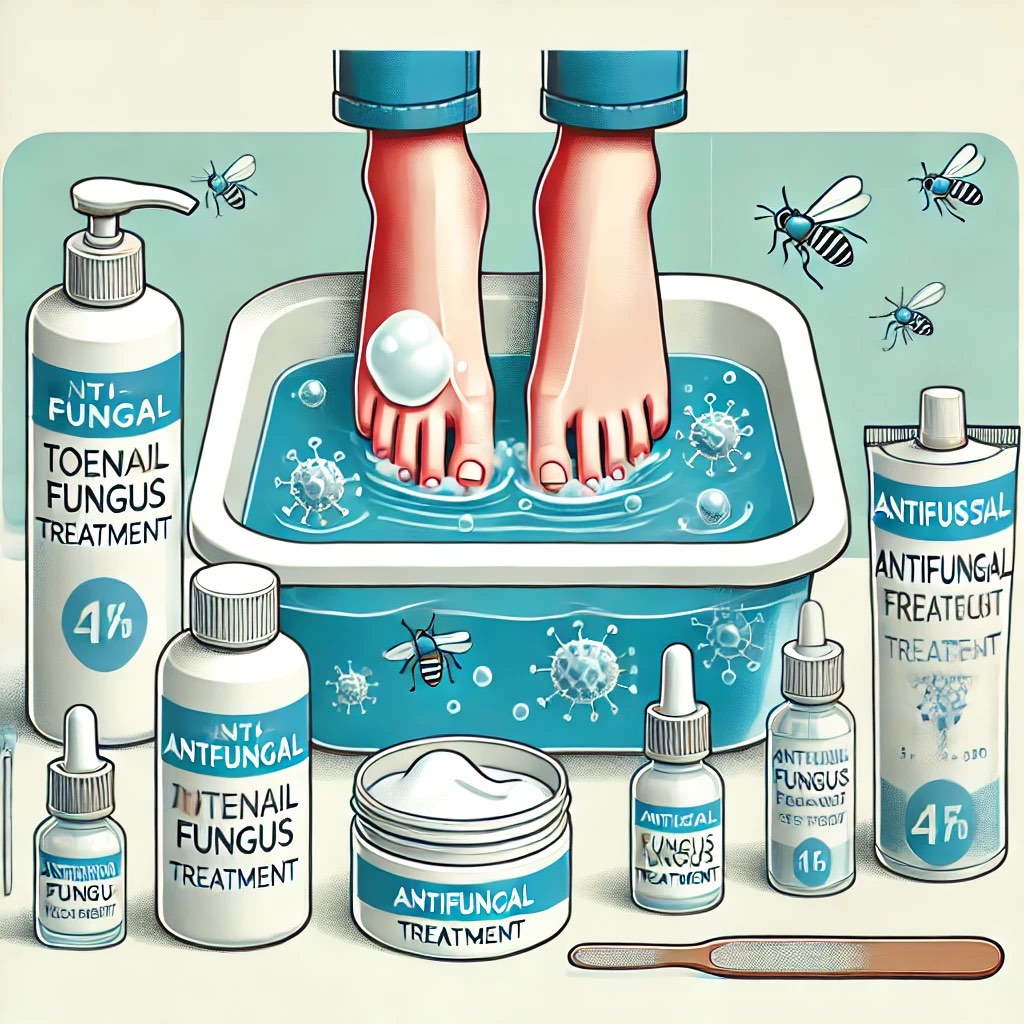
1. Antifungal Nail Polishes
Antifungal nail polishes are one of the most convenient treatments for early-stage infections. They penetrate the nail structure, destroying the fungus and preventing its spread.
✅ Popular nail polishes:
• Loceryl – an effective remedy containing amorolfine, active against most fungi.
• Batrafen – a lacquer based on ciclopirox, suitable for treating early-stage infections.
• Oflomil – an alternative to Loceryl, fights various types of fungal infections.
2. Creams and Ointments for Toenail Fungus
These products are suitable for treating onychomycosis, especially if the infection has spread to the surrounding skin.
✅ Most effective creams and ointments:
• Lamisil (Terbinafine) – inhibits fungal cell growth, suitable for long-term treatment.
• Exoderil (Naftifine) – penetrates deeply into the nail, acting directly on the pathogen.
• Clotrimazole – an affordable but effective cream for combating fungal infections.
3. Oral Tablets for Toenail Fungus
If topical treatments are ineffective or the fungus is advanced, a doctor may prescribe systemic medications in tablet form.
✅ Effective oral medications:
• Terbinafine – taken for 6–12 weeks, kills the fungus from the inside.
• Itraconazole (Orungal) – effective even for severe fungal infections.
• Fluconazole – an accessible medication used for various types of mycoses.
⚠️ Attention! Oral tablets have contraindications and may affect the liver, so they should be taken only under medical supervision.
4. Folk Remedies and Supportive Treatments
While conventional medications are proven effective, home remedies can be used as additional therapy.
• Vinegar baths – create an acidic environment harmful to fungus.
• Baking soda and hydrogen peroxide – used to soften affected nails.
• Garlic compress – has antiseptic properties.
How to Use Medications Correctly?
For effective treatment, follow these recommendations:
• Apply prescribed treatments regularly (do not skip treatment days).
• Clean and disinfect the affected nail before applying medications.
• Change socks daily and wear only dry, clean shoes.
• Disinfect pedicure tools after each use.
Prevention of Toenail Fungus
To avoid reinfection, follow simple rules:
✔ Wear breathable shoes and socks made of natural materials.
✔ Use personal footwear in pools, saunas, and gyms.
✔ Regularly care for your feet, ensuring the skin and nails remain dry.
✔ Disinfect shoes, especially if you previously had fungus.
Treating toenail fungus is a process that requires time and consistency. Modern medications, such as antifungal polishes, creams, oral tablets, and supportive remedies, allow effective control of the infection. It is important to follow medication instructions, maintain hygiene, and prevent reinfection. If the fungus progresses or does not respond to treatment, be sure to consult a dermatologist.